
Oklahoma Genealogy Records
Oklahoma genealogy records span more than a century of vital documents, court filings, land patents, and tribal enrollment papers spread across 77 counties. You can search many of these records online at no cost through state databases like the Oklahoma State Courts Network and OK2Explore. County clerk offices hold marriage licenses, probate files, and land deeds going back to territorial days before 1907 statehood. The Oklahoma Historical Society keeps one of the largest genealogy collections in the region, with census rolls, old newspapers, and Dawes Commission enrollment records for the Five Civilized Tribes. Whether you need a birth index, a death certificate, or a land allotment file, Oklahoma has public records that can help you trace your family line.
Oklahoma Genealogy Overview
Where to Find Oklahoma Genealogy Records
Genealogy records in Oklahoma come from several places. The state runs a split system. Vital records like birth and death certificates sit with the Oklahoma State Department of Health at 1000 Northeast 10th Street in Oklahoma City. Court records such as marriage licenses, divorce decrees, and probate files stay at the county level with each Court Clerk. Land deeds and property records go through the County Clerk in each of the 77 counties. This means your search may take you to more than one office, but most of the key genealogy record types can be found with a few calls or online searches.
The Oklahoma State Department of Health Vital Records Service has kept birth and death records since 1908. Statewide registration started that year, though full compliance did not come until about 1930. Birth records that are 125 years old become open records under Oklahoma Statutes Title 63, Section 1-323. Death records open up after 50 years. If the person you are looking for falls within those windows, you can get copies without proving a family tie. For newer records, you need to show you are related or have legal standing.
The free OK2Explore database lets you search an index of Oklahoma birth and death records at no charge. You can look up names, dates, and counties. It will not give you the full certificate, but it can confirm that a record exists and give you the details you need to order a copy.
Each county Court Clerk keeps marriage records, divorce files, and probate records. Many counties have records going back to statehood in 1907, and some have records from the 1890s or earlier. The County Clerk holds land records, military discharge papers, and other filed documents. You can visit in person or call to ask about mail requests.
The OK2Explore portal from the Oklahoma State Department of Health provides a free way to search the state vital records index for genealogy research.
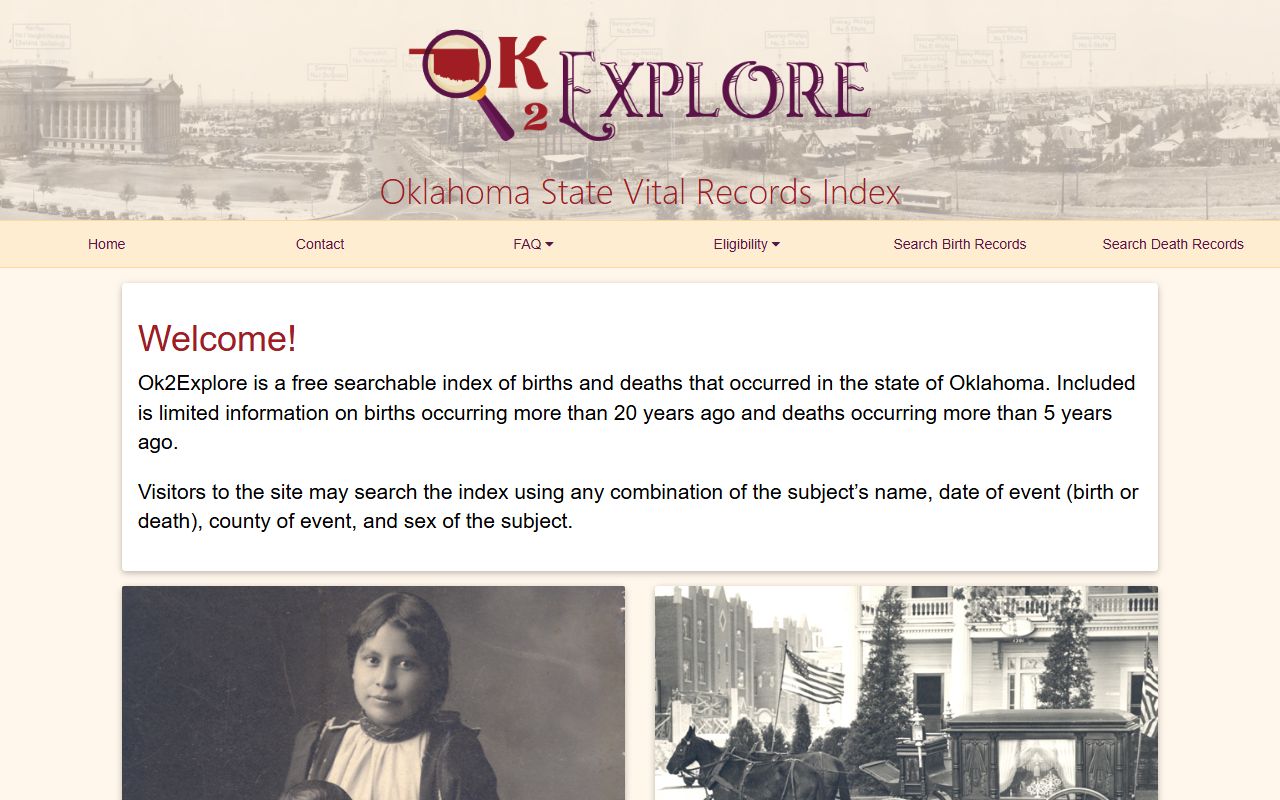
This database covers births and deaths going back to the start of statewide registration. Searches are free and open to anyone.
How to Search Oklahoma Genealogy Records Online
Oklahoma has several free online tools for genealogy research. The biggest is the Oklahoma State Courts Network, known as OSCN. It is run by the Oklahoma Supreme Court and gives free access to court records from all 77 counties. The system has more than 15 million cases going back to the mid-1990s. You can search by party name, case number, or case type. No sign-up is needed. Available case types include civil suits, criminal cases, probate matters, family court files, and small claims. Sealed, expunged, and juvenile records are not shown.
The Oklahoma Historical Society Research Center at 800 Nazih Zuhdi Drive in Oklahoma City offers free in-person access to Ancestry Library Edition, Fold3, HeritageQuest, Newspapers.com, and The Oklahoman Digital Archives. The reading room on the first floor of the Oklahoma History Center is open to the public. You can also search the Gateway to Oklahoma History online for free. This digital collection has over one million items including historic newspapers, photographs, maps, and manuscripts.
For land records, the Bureau of Land Management General Land Office Records site has federal land patents for Oklahoma. You can search by name, location, or document number. Oklahoma is a public domain state, so early land ownership traces back to federal patents issued through homesteads, cash sales, and military bounty land warrants.
The Oklahoma State Courts Network search page lets you look up court records across all 77 counties for genealogy purposes.
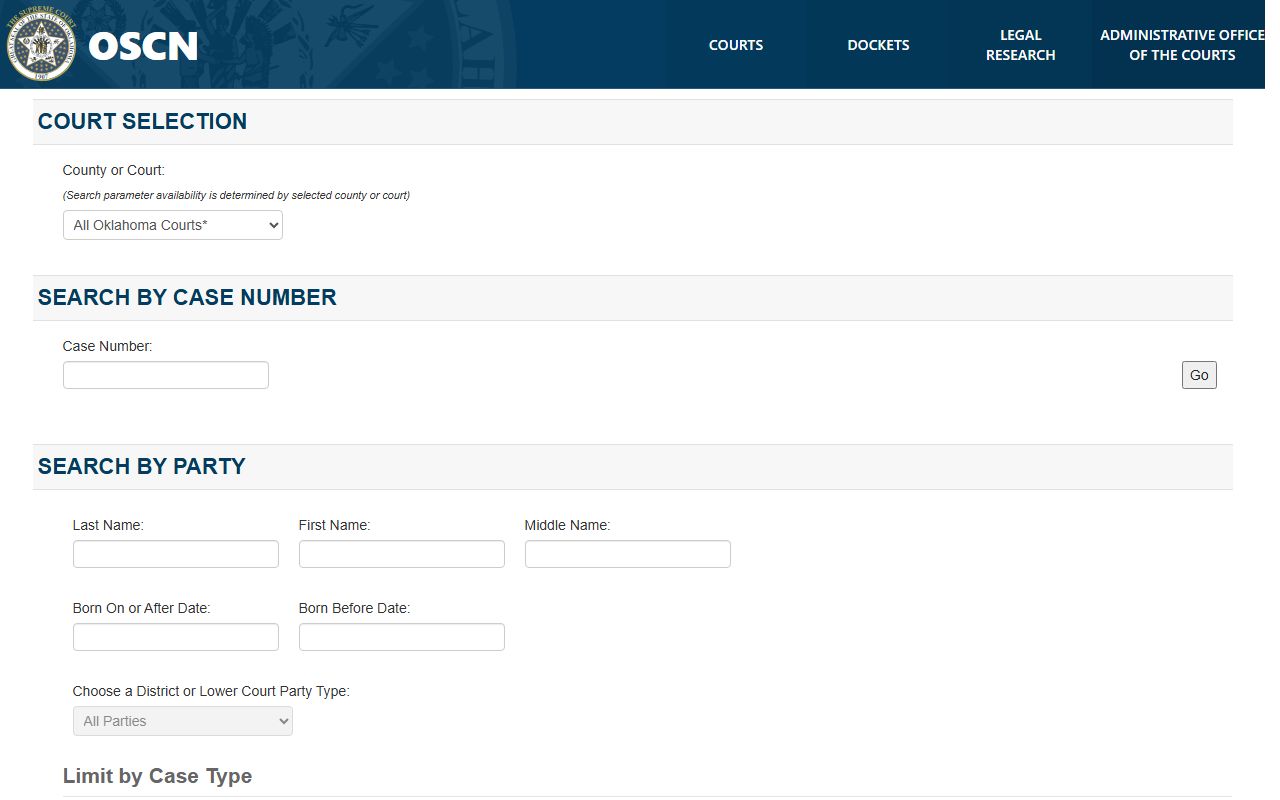
OSCN is free to use and covers civil, criminal, probate, family, and small claims cases.
Oklahoma Genealogy and Tribal Records
Oklahoma has a unique genealogy resource that most other states lack. The Dawes Commission records cover the enrollment of members of the Five Civilized Tribes between 1898 and 1906. The Cherokee, Choctaw, Creek, Seminole, and Chickasaw tribes all have rolls from this period. An ancestor had to live in Indian Territory and apply to be included. The enrollment packets hold family relationships, residences, blood quantum, and sworn testimony. These records are held at the Oklahoma Historical Society and are also available at the National Archives at Fort Worth.
The National Archives at Fort Worth is the main federal repository for Oklahoma genealogy records tied to Native American tribes. Their collection includes Bureau of Indian Affairs records, agency files, school records, land allotment documents, and Indian Census Rolls from 1885 to 1940. The archival research facility is at 1400 John Burgess Drive in Fort Worth, Texas. A separate microfilm research facility sits at 2600 West 7th Street, Suite 162. Many of these records can also be accessed through microfilm or the National Archives online catalog.
If your genealogy research involves Cherokee ancestry, the Dawes Final Rolls index is searchable online through the Oklahoma Historical Society. The index shows name, age, sex, blood quantum, census card number, tribe, and enrollment number. Full digitized Dawes Packets for the Cherokee tribe are also available on the OHS website.
The Oklahoma Historical Society hosts a searchable Dawes Rolls index for genealogy research into the Five Civilized Tribes.
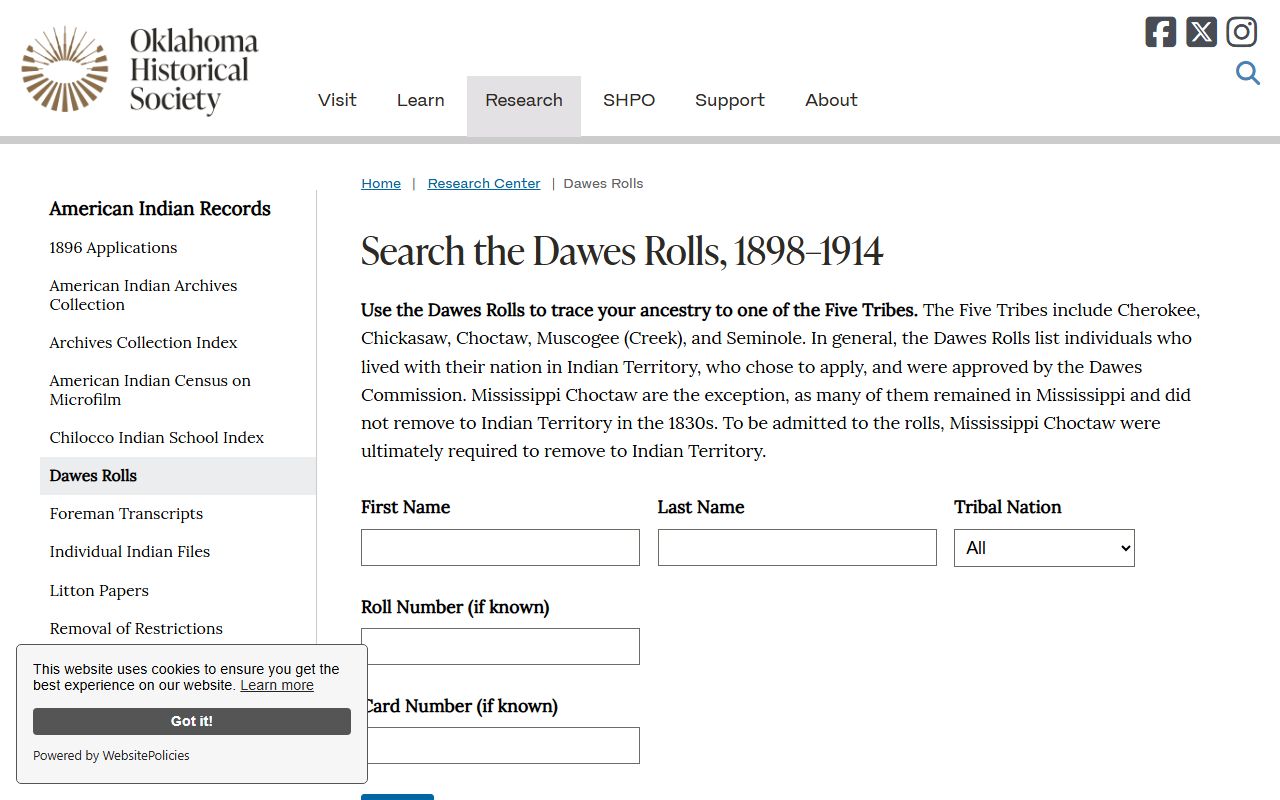
These enrollment records from 1898 to 1906 are among the most important genealogy documents for Oklahoma families with tribal heritage.
Oklahoma Genealogy Records and Public Access
The Oklahoma Open Records Act at Title 51, Sections 24A.1 through 24A.33 of the Oklahoma Statutes gives any person the right to access government records. The law defines a record as any document created in connection with public business, regardless of its physical form. This includes paper files, electronic mail, and text messages. You do not need to state a reason for your request.
Fees for copies are capped. A public body cannot charge more than $0.25 per page for standard copies or $1.00 per page for certified copies. Search fees can only be charged when a request is for a commercial purpose or would disrupt the agency's work. Research for genealogy, news, or scholarly purposes cannot be charged a search fee.
Vital records have their own rules under Title 63, Section 1-323. Birth records are restricted for 125 years. Death records are restricted for 50 years. Within those periods, only the person named, family members, or legal representatives can get copies. A genealogist needs written permission from the subject or a family member, plus proof of the relationship. Military veterans and their families may get free copies of vital records when needed for service-connected benefit claims under Section 23, Title 72.
A full guide to the Oklahoma Open Records Act explains how genealogy researchers can access public documents.
The act covers all public records in Oklahoma and sets maximum fees for copies.
Oklahoma Genealogy Societies and Libraries
The Oklahoma Genealogical Society at P.O. Box 12986, Oklahoma City, OK 73157 is a top resource for family history research. Their phone number is 405-637-1907. The society has publications on territorial and Indian Nation vital statistics, including church, marriage, and burial records of the Choctaw Nation and indexes to probate and marriage records for Oklahoma County. They also link to other historical societies across the state.
The Oklahoma Department of Libraries at 200 N.E. 18th Street in Oklahoma City houses the Oklahoma Room and the State Archives Division. The phone number is 405-521-2502. The Oklahoma Room has printed materials like county histories, city directories, and newspapers on microfilm. The State Archives holds governors' papers, legislative bills, Supreme Court case files, agency records, photographs, maps, and oral histories. Many of these records have been microfilmed and are available through interlibrary loan.
The Oklahoma Digital Prairie is an online repository from the Oklahoma Department of Libraries. It has state government publications going back to the territorial period, digitized newspapers, photographs, maps, and the Chronicles of Oklahoma journal from 1921 to 2019. All of these are free to access online.
The Oklahoma Historical Society Research Center provides free access to major genealogy databases in their reading room.
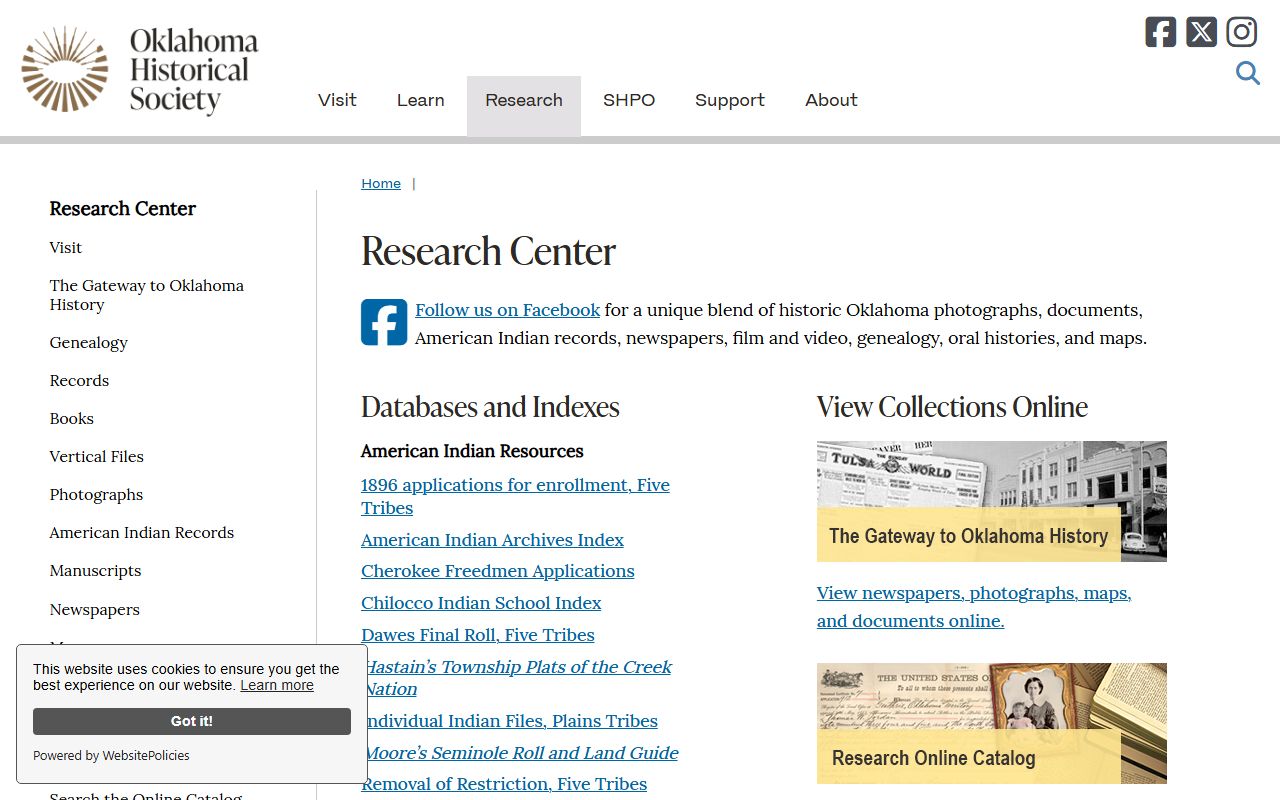
Visitors can use Ancestry Library Edition, Fold3, HeritageQuest, and other subscription services at no cost.
The Oklahoma Genealogical Society publishes research guides and maintains links to county-level historical societies.
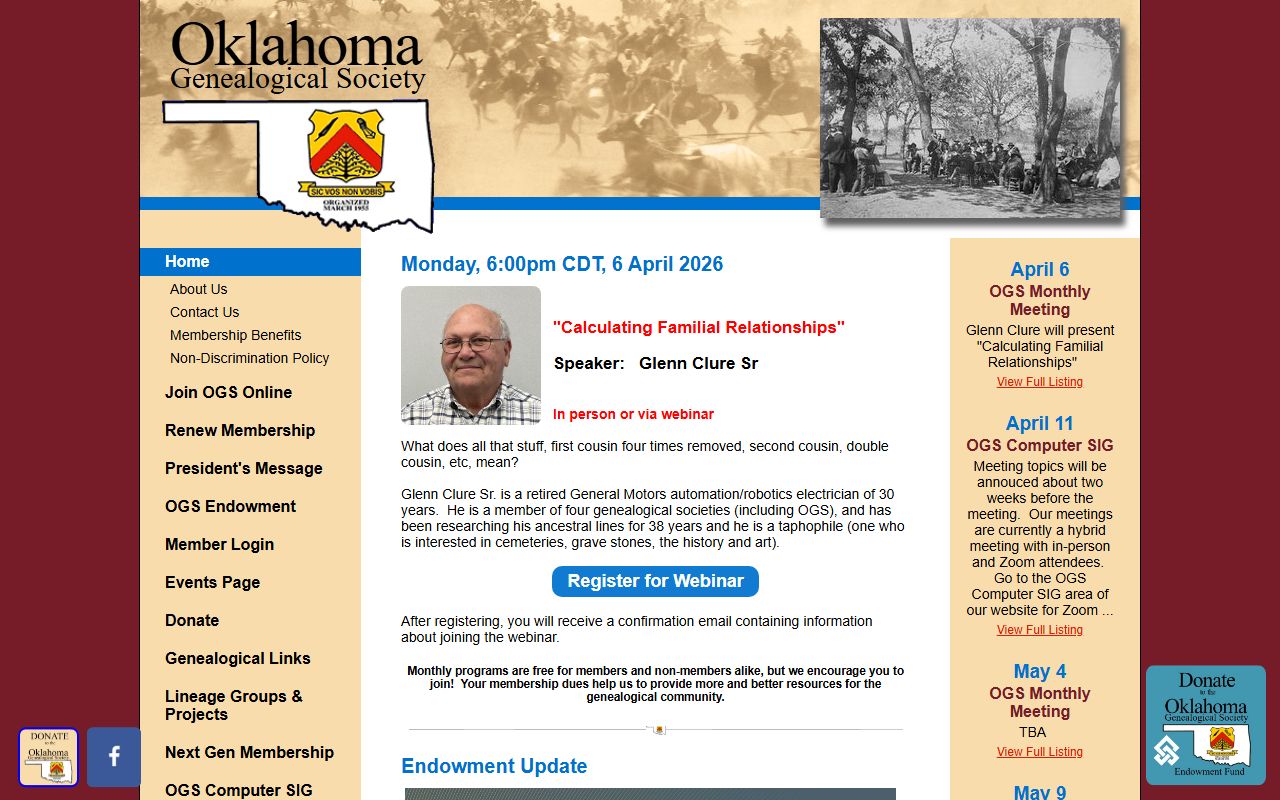
Their publications cover territorial vital statistics, tribal records, and county-specific indexes.
Oklahoma Land and Property Genealogy Records
Land records are a major part of Oklahoma genealogy. The state opened to settlement through a series of land runs and lotteries starting in 1889. The Bureau of Land Management GLO Records site has digital images of original federal land patents. You can search by patentee name, land description, or document number. These records show who first received land from the federal government, the date, and the legal authority such as homestead, cash sale, or military bounty.
County Clerk offices in each of Oklahoma's 77 counties keep local land records. These include deeds, mortgages, liens, plats, and surveys. Some counties have online indexes through sites like okcountyrecords.com. Others require in-person visits or written requests. Land records are public and open to anyone.
The Bureau of Land Management GLO Records site holds federal land patents for Oklahoma genealogy research.
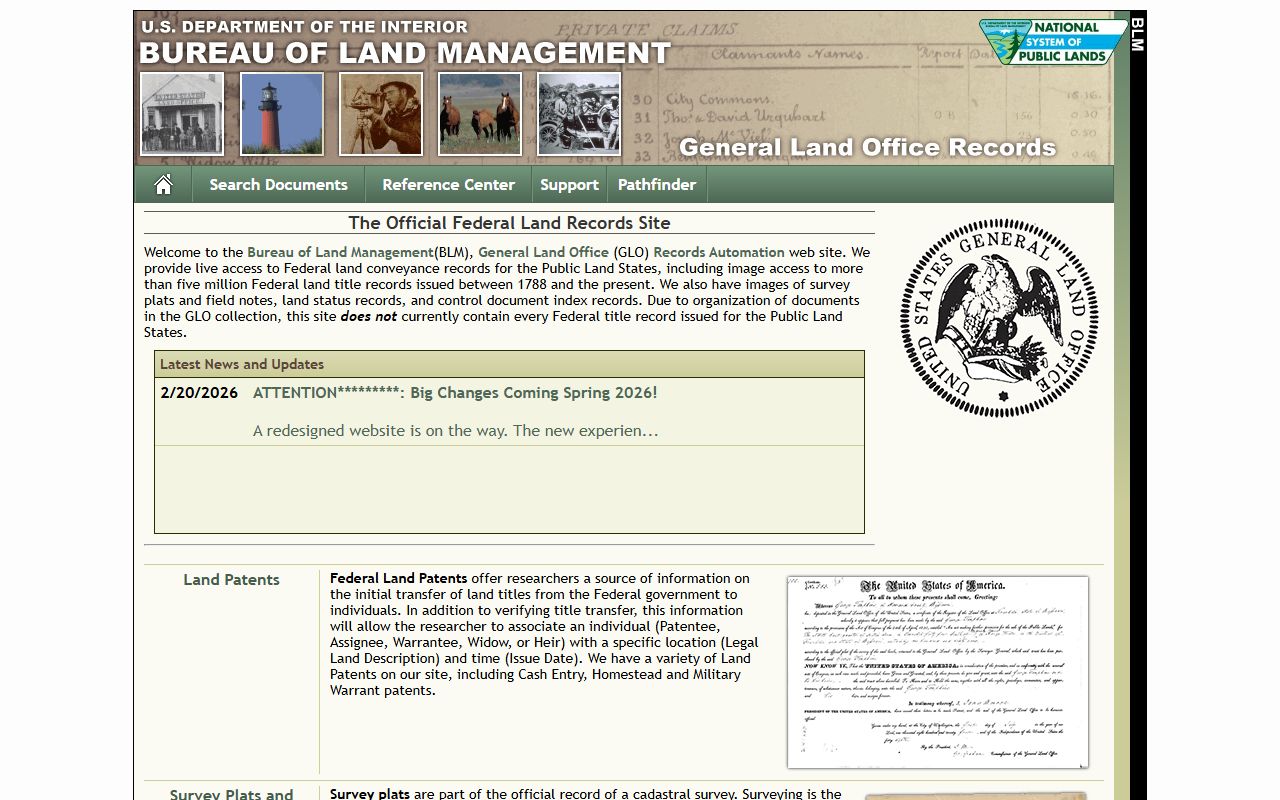
These records are essential for tracing ancestors who homesteaded or acquired federal land in Oklahoma.
The Gateway to Oklahoma History has over one million digitized items including newspapers with obituaries, birth notices, and marriage announcements.
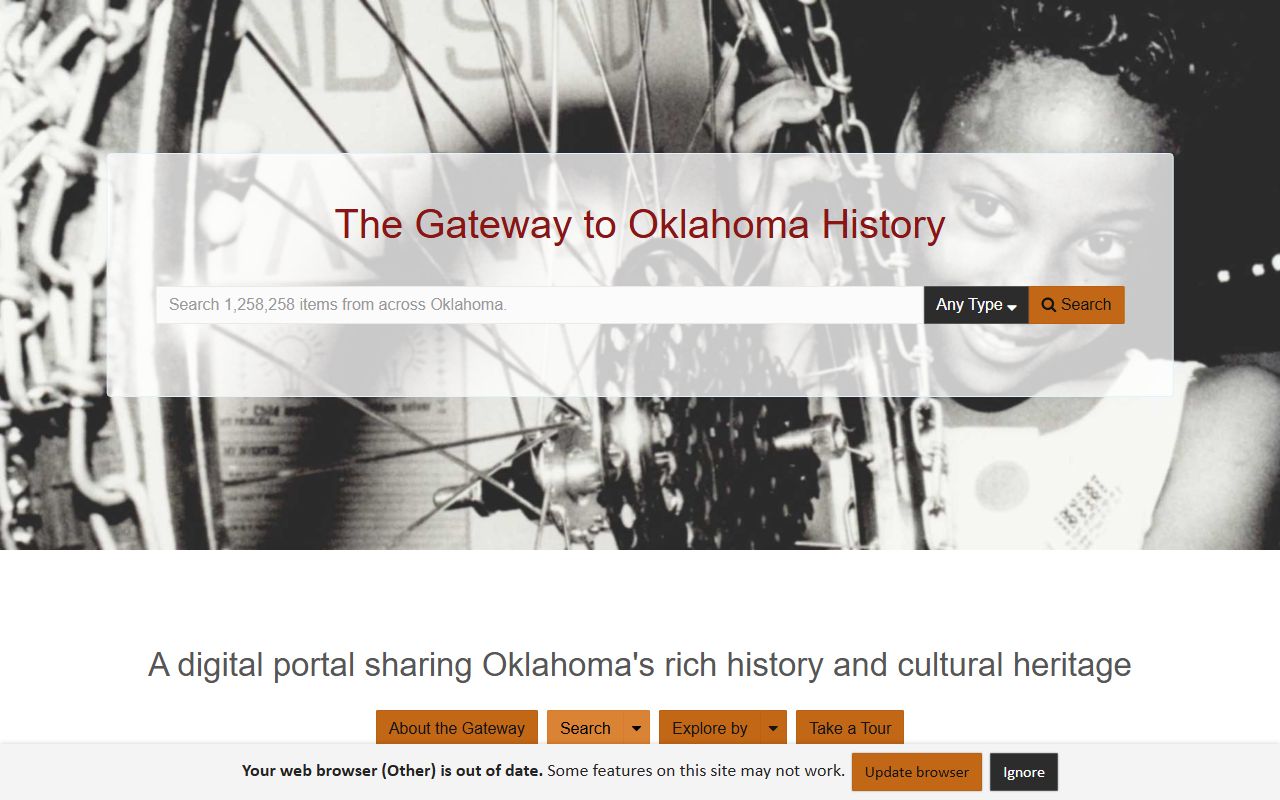
Full-text search makes it easy to find genealogy records in historic Oklahoma newspapers from the 1840s to the present.
The National Archives at Fort Worth holds extensive Oklahoma genealogy records for the Five Civilized Tribes.
Their collection includes Dawes census cards, Bureau of Indian Affairs records, school records, and land allotment files.
Browse Oklahoma Genealogy Records by County
Each of Oklahoma's 77 counties has its own Court Clerk and County Clerk offices that keep genealogy records. Pick a county below to find local contact info and resources for genealogy research in that area.
Genealogy Records in Major Oklahoma Cities
Residents of major cities file vital records and court documents at the county level. Pick a city below to find out where to go for genealogy records in that area.